


SAP Training

Comprehensive Blueprint & Curriculum Specification

Offline / Online / Hybrid

What is SAP?

SAP stands for Systems, Applications, and Products in Data Processing. It is the world’s leading Enterprise Resource Planning (ERP) software company. 

Companies use SAP software to connect and manage their core daily operations—such as finance, human resources, supply chain, procurement, sales, and manufacturing—into a single centralized digital system. Instead of different departments using separate, disconnected tools, SAP lets everyone share real-time data on the same platform. 


Quick Enquiry

Quick Enquiry

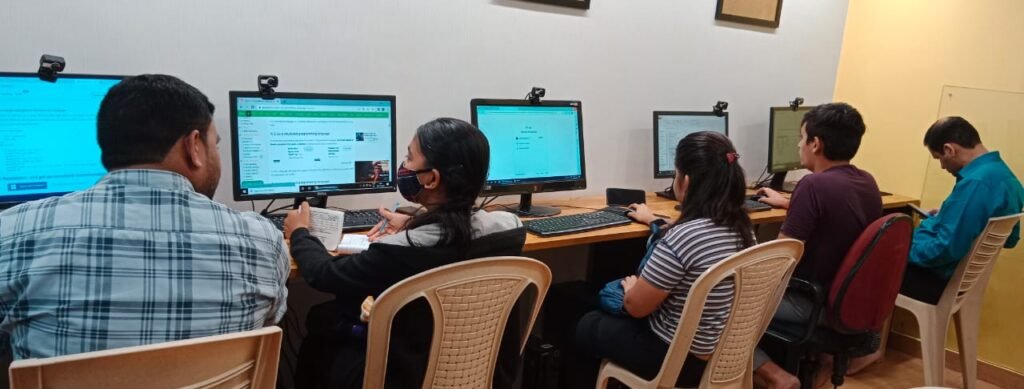
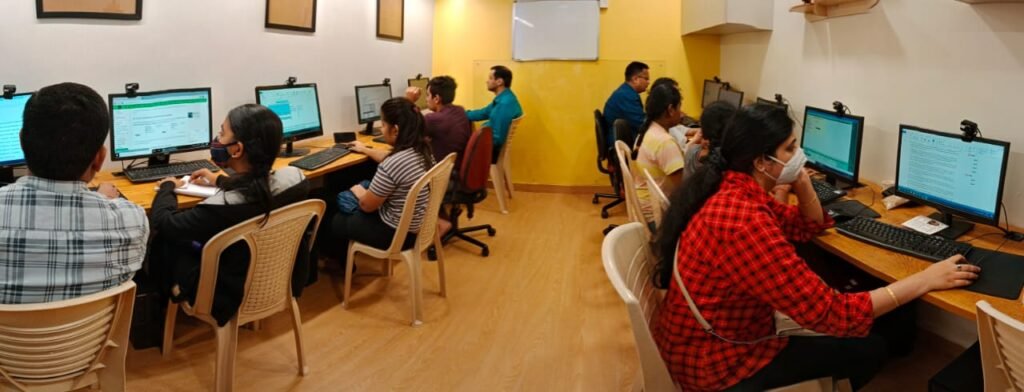
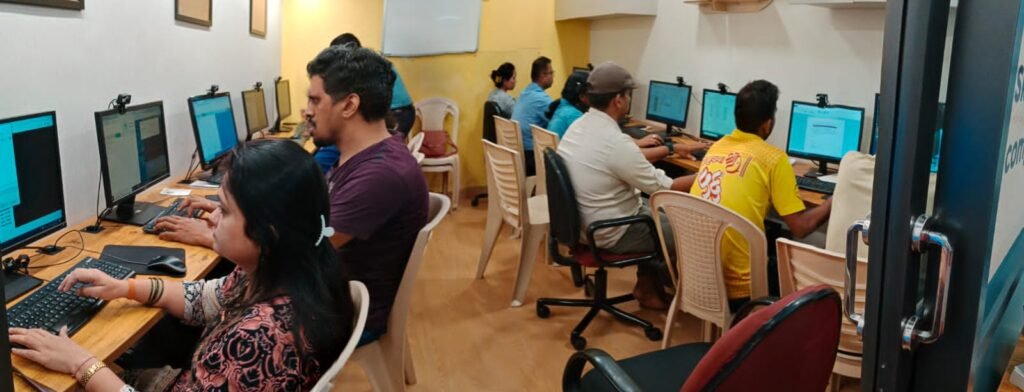
Gallery

Students Reviews

What Does "SAP Experience" Mean in a Job?

When a job description asks for SAP experience, it means the employer wants you to know how to navigate, operate, configure, or maintain SAP software (such as the flagship SAP S/4HANA platform) to perform specific job duties. 

How SAP appears in a job depends heavily on your role:

  1. End Users (Regular Business Staff)
  • Who they are: Accountants, HR coordinators, warehouse managers, procurement officers, and sales representatives.
  • What they do: You use SAP as a daily tool to input transactions, pull reports, check inventory levels, process invoices, or submit employee leave. You do not need to build or code the system; you just need to know how your specific department workflow runs inside SAP. 
  1. SAP Functional Consultants
  • Who they are: Business analysts or domain specialists (e.g., finance or supply chain backgrounds) who specialize in a specific SAP module. 
  • Common modules:
    • FI/CO (Financial Accounting and Controlling)
    • SD (Sales and Distribution)
    • MM (Materials Management / Procurement)
    • HCM / SuccessFactors (Human Capital Management) 
  • What they do: They talk to company leaders to understand business rules, then configure SAP modules so the software matches how the company actually operates. 
  1. SAP Technical Consultants & Developers
  • Who they are: IT and programming professionals.
  • What they do: They write custom code (using SAP’s proprietary language ABAP or web tools like Fiori and Java) to build custom reports, interfaces, or extensions that standard SAP doesn’t provide out-of-the-box. 

Why SAP Matters for Careers

SAP training is divided into specialized modules based on business functions or technical areas:

Functional Modules (Business Processes):

  • SAP FICO (Financial Accounting and Controlling): Focuses on general ledger accounting, accounts payable/receivable, and financial reporting.
  • SAP MM (Materials Management): Covers procurement, inventory management, and purchasing
  • SAP SD (Sales and Distribution): Manages order processing, shipping, and billing.
  • SAP PP (Production Planning): Handles manufacturing operations and master production scheduling.
  • SAP HCM / SuccessFactors: Manages human resources, payroll, and talent management. 

Technical Modules:

  • SAP ABAP: The proprietary programming language used to customize and develop code inside SAP systems.
  • SAP Basis: Focuses on system administration, installation, maintenance, and database management.
  • SAP BTP (Business Technology Platform) & HANA: Covers cloud integration, AI, and in-memory database management. 

What is the Salary for SAP Professionals India?

SAP Salary in India (2026)
In India, compensation scales across experience tiers and company types:

  • Freshers (0–1 year): ₹3.5 – ₹6 LPA (average around ₹4.2 – ₹4.5 LPA)
  • Junior Consultants (1–3 years): ₹6 – ₹10 LPA
  • Mid-Level Consultants (3–6 years): ₹10 – ₹18 LPA
  • Senior Consultants / Leads (6–10 years): ₹18 – ₹28 LPA
  • Expert / Solution Architects (10+ years): ₹28 – ₹50+ LPA (with top technical or management roles going higher)

Salaries by SAP Module & Role

Different SAP modules and technical paths command distinct pay grades:

  • SAP S/4HANA: Among the highest-paying skillsets, with senior consultants earning ₹20 – ₹35 LPA. 
  • SAP FICO (Financial Accounting & Controlling): Features high market demand and steady growth, ranging from ₹6 LPA for beginners to upwards of ₹20+ LPA for experienced leads. 
  • SAP ABAP (Technical Development): Developers typically range from ₹5.5 LPA (junior) to ₹18 – ₹28 LPA (senior). 
  • Core Software & Cloud Engineering (at SAP Labs): Technical roles like Software Engineers, DevOps, and Machine Learning Engineers range from ₹18 LPA to over ₹40+ LPA (Total CTC) depending on stock and bonuses. 

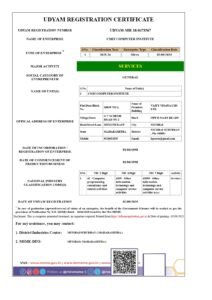
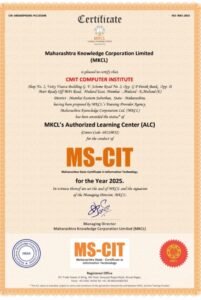
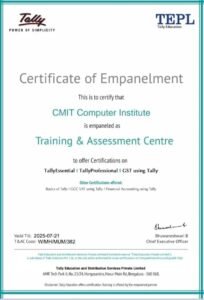
Affiliations / Authorizations

Why Choose CMIT ?

Certified and Experienced Trainers

Weekdays / Weekend Batches Available

Affordable Fees

Small Batch Sizes

Flexible Learning Options

Individual Attention

Free Wi-Fi Facility

Periodical Assessment

Course Completion Certificate

100% Job Assistance